Why Learning AI Skills Is No Longer Optional
The workplace is changing faster than ever, and AI is one of the main forces driving that change. Tasks that once took hours can now be completed in minutes. Decisions that required teams can now be supported by intelligent tools. As a result, AI skills are no longer a “nice to have”—they are becoming essential.
Across industries, AI is being used to improve productivity, reduce costs, and unlock new opportunities. From small businesses to large organizations, those who understand how to use AI are able to move faster and adapt more easily. Those who don’t risk falling behind.
Learning AI does not mean abandoning your current skills. Instead, it enhances them. A marketer who understands AI can create better campaigns. A business owner can automate operations. A freelancer can deliver higher-quality work in less time. AI becomes a tool that amplifies existing strengths.
One reason many people delay learning AI is fear. It can seem technical, complex, or overwhelming. But modern AI tools are designed to be intuitive. Many require no coding at all. What matters most is knowing how to ask the right questions, choose the right tools, and apply them to real-world problems.
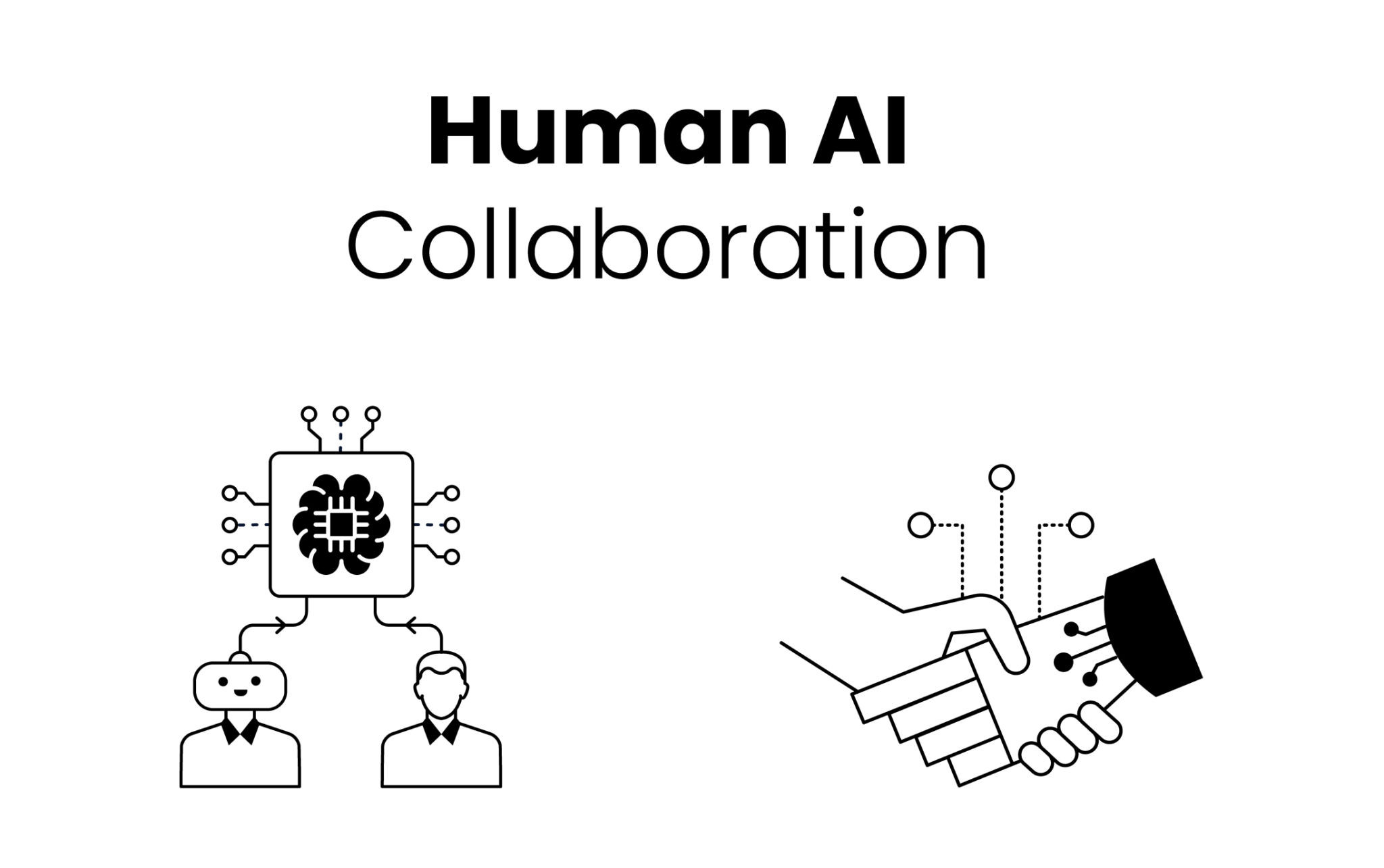
Another reason AI skills are essential is long-term security. Jobs and roles will continue to evolve. While AI may replace certain tasks, it also creates new opportunities for those who can work alongside it. The most valuable professionals will be those who understand both human judgment and AI assistance.
Learning AI is also about mindset. It encourages experimentation, problem-solving, and continuous learning. These traits are valuable far beyond technology—they are skills that apply to business, creativity, and personal growth.
The future belongs to people who adapt. Learning AI today is not about chasing trends; it’s about preparing yourself for a world where intelligent tools are part of everyday life. With the right guidance and practical approach, anyone can build AI skills that matter.

0 comments